
Why Pelvic Pain After Childbirth Is More Than Just Recovery
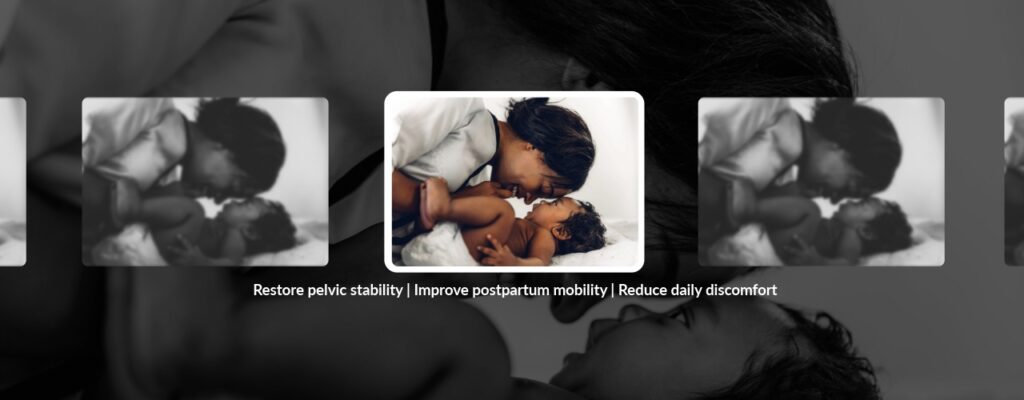
When Courtney (not her real name) brought her newborn home, she expected the first few weeks to be tiring. What she did not expect was persistent pelvic pain after childbirth that made walking, sitting, and even lifting her baby uncomfortable. The swelling had gone down, but the sharp aches and pulling sensations in her hips and lower abdomen lingered. Like many women, she assumed this discomfort was part of recovery and tried to ignore it. Over time, the pain began to interfere with sleep and daily activities, leaving her frustrated and unsure what to do next.
Understanding Why Pelvic Pain Persists
Pelvic pain that continues weeks after delivery often stems from weakened or overstretched muscles, joint misalignment, or scar tissue from labor and delivery. During pregnancy and childbirth, the pelvic floor supports extra weight, stretching to allow the baby to pass. After delivery, those muscles may not automatically regain their original tone and stability.
When the pelvic floor remains weak, it can affect posture and coordination of nearby muscles, such as those in the hips, back, and abdomen. This imbalance places extra strain on the joints and connective tissue, which explains why pelvic pain after childbirth can persist long after the initial recovery period.
Common Causes of Ongoing Pelvic Discomfort
- Pelvic floor muscle weakness or tension
- Joint instability around the hips or lower spine
- Nerve irritation following delivery
- C-section or episiotomy scar tissue
- Postural changes and altered movement patterns
Many new mothers, like Courtney, don’t realize these issues are treatable. Physical therapy can help identify the exact source of discomfort and guide a safe and effective recovery.
How Physical Therapy Helped Courtney Heal
Courtney decided to visit Innovative Physical Therapy Solutions after learning that pelvic floor therapy could address her symptoms. Her physical therapist started with a detailed assessment of her posture, hip strength, and pelvic floor control. Together, they discovered that her pelvic muscles were both weak and overly tight in certain areas, which caused poor coordination during movement.
Courtney’s Personalized Treatment Plan
Gentle Manual Therapy
- The therapist used hands-on techniques to release tension and improve circulation in the pelvic region.
Targeted Strengthening Exercises
- Courtney practiced controlled movements to rebuild stability and support for her lower back and hips.
Education and Awareness
- She learned how to relax and engage her pelvic muscles correctly while caring for her baby.
Posture and Core Training
- Exercises helped her move comfortably while feeding, carrying, and lifting her child.
Home Program
- Simple stretches and daily positioning tips supported progress between visits.
Within a few weeks, Courtney noticed less soreness and more confidence in her movement. By the end of her treatment program, she could sit, walk, and lift her baby without discomfort.
What Courtney Wants Other Moms to Know
Courtney often tells friends that pelvic pain after childbirth is not something they have to accept as normal. She encourages other mothers to seek help rather than waiting for the pain to disappear on its own. Physical therapy provided her with the knowledge and strength to move comfortably again and regain trust in her body.
Find Relief and Support at Innovative Physical Therapy Solutions
If you are living with pelvic pain after childbirth, help is available. The physical therapists at Innovative Physical Therapy Solutions specialize in postpartum recovery and pelvic floor rehabilitation. They listen to your concerns, tailor your treatment plan, and support you through every step of recovery. Contact our team today to learn how you can regain comfort, strength, and confidence after childbirth.