
Bursitis Knee Pain: How to Recognize This Inflammatory Condition
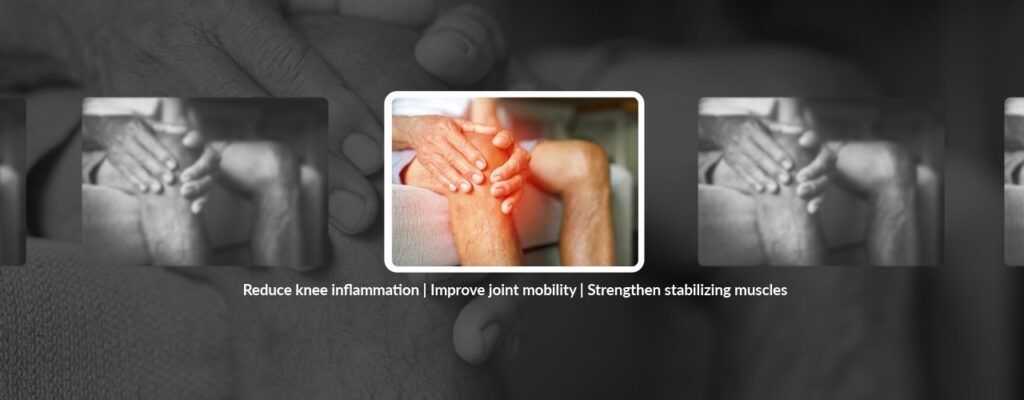
Knee pain can be frustrating, especially when it limits mobility and affects daily routine. One common cause that’s often overlooked is bursitis, a painful inflammation of the small fluid-filled sacs (bursae) that cushion your joints. Understanding how to recognize and manage bursitis knee pain can help you find relief faster and prevent further damage.
What Is Bursitis Knee Pain?
Your knee joint contains several bursae that act as cushions between bones, tendons, and muscles. When one or more of these sacs become irritated or inflamed, it can cause swelling, tenderness, and discomfort, often making it painful to kneel, bend, or walk.
There are a few types of knee bursitis, depending on which bursa is affected:
- Prepatellar bursitis is inflammation in front of the kneecap
- Infrapatellar bursitis is inflammation just below the kneecap
- Pes anserine bursitis is inflammation on the inner side of the knee
Common Symptoms of Knee Bursitis
Recognizing bursitis knee pain early can help you seek treatment before it worsens. Look out for these telltale signs:
- Localized pain and tenderness around the knee
- Swelling that may appear suddenly or develop gradually
- Warmth or redness over the affected area
- Increased pain when kneeling, climbing stairs, or squatting
- Stiffness or limited movement in the joint
If symptoms persist for more than a few days or worsen, it’s important to consult a healthcare provider to rule out other conditions, such as arthritis or infection.
Causes of Knee Bursitis
Repetitive Motion
- Frequent kneeling or squatting (common in certain professions and sports)
Direct Trauma
- A hard fall or blow to the knee
Infection
- Bacteria entering through a cut or scrape near the knee
Underlying Conditions
- Arthritis, gout, or other inflammatory diseases
Effective Treatment Options for Bursitis Knee Pain
The good news is that most cases of bursitis knee pain respond well to conservative treatments. When you visit Innovative Physical Therapy Solutions, the first thing we’ll do is conduct a comprehensive assessment. We’ll examine your knee for swelling and tenderness and review your medical history and activity levels.
From there, we’ll create a comprehensive treatment program. To manage initial symptoms, we might suggest:
- Avoiding activities that aggravate pain
- Applying ice packs to reduce pain
- Compression therapy or keeping the knee raised to minimize swelling
Treating Knee Bursitis with Physical Therapy
Once you’ve managed your initial symptoms, we’ll work on rehabilitating your knee to ensure long-lasting outcomes. We tailor each treatment to meet your needs. Some of the techniques we might suggest include:
Manual Therapy Techniques
- Hands-on methods such as soft tissue massage, patellar mobilization, or myofascial release help decrease stiffness and promote healing in the affected area.
Stretching and Mobility Work
- Targeted stretches for the quadriceps, hamstrings, calves, and IT band help improve mobility and reduce tension that can aggravate the inflamed bursa.
Strengthening Exercises
- Targeted movements like straight leg raises, clamshells, mini-squats, and bridges strengthen the muscles around the knee for better stability and joint support.
Functional and Balance Training
- Once pain improves, balance and coordination exercises retrain your muscles to move safely and prevent bursitis from returning.
Preventing Knee Pain from Bursitis
Prevention starts with awareness and simple lifestyle changes:
- Use knee pads if you work or play sports on your knees frequently
- Warm up before exercise and stretch afterward
- Strengthen the muscles around your knees for better support
- Avoid prolonged pressure on your knees
Schedule An Appointment to Get Started
Bursitis knee pain can be both painful and limiting, but recognizing the signs early and taking proactive steps can make a big difference. With proper care, most people recover fully and regain full knee function.
If you’re struggling with persistent knee pain, contact Innovative Physical Therapy Solutions today. Our dedicated physical therapists can help you heal, strengthen your knee, and get back to doing what you love.