



Physical Therapy Can Help You Resolve Unwanted Knee Pain
Knee pain can be debilitating, making it difficult to walk, run, and move. It may even hinder your ability to do simple things like sitting through a movie or a long car ride. The location of your pain helps determine which structures are involved and can help ensure proper treatment.
Often the pain leads to avoiding activity, but this strategy does not help in the long run. Inactivity often leads to more dysfunction and disability. Physical therapists are movement experts, and if your symptoms are severe or last more than a few weeks, your first step should be to contact our physical therapists!
At Innovative Physical Therapy Solutions, we can get you moving once again by relieving your pain and enhancing your body’s natural healing process. Call today to schedule an appointment with one of our experts!
What are the most common knee injuries?
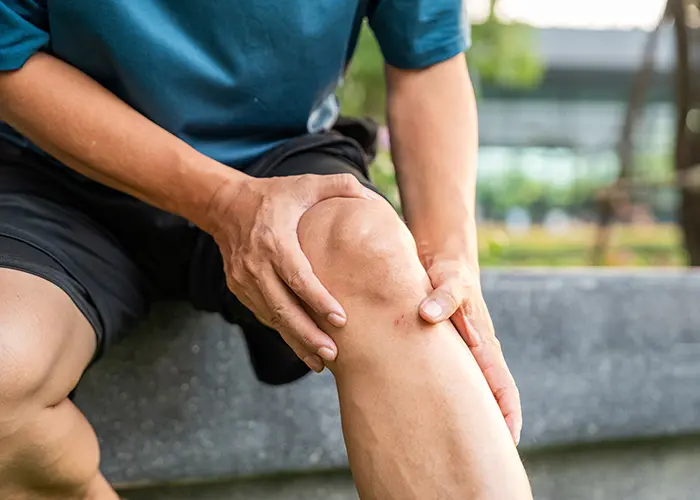
Your knee is one of the largest joints in your body, made up of a complex system of bones, tendons, and ligaments. Knee injuries can result from direct contact or a sudden movement that strains the knee. When there is no specific event connected to the damage, the most common knee pain causes are aging, injury, or repeated stress on the knee.
Knee pain can be mild or severe and includes sprained ligaments, cartilage tears, tendonitis, and arthritis.
Some other common causes of knee pain include:
Arthritis: The most common type of arthritis for knee pain is osteoarthritis (OA). This condition occurs when the cartilage surrounding your joints deteriorates, and the joint no longer has a sufficient cushion between the bone. This leads to joint inflammation with varying levels of pain and dysfunction.
Cartilage Injuries: There are two common cartilage injuries:
- Meniscus injury: The meniscus serves as a shock absorber and helps maintain stability in the knee. A meniscus tear can be caused by contact or non-contact activity when the knee twists suddenly. Some tears are the result of wear and tear.
- Articular cartilage injury: The articular cartilage is a smooth covering on the bones that allows for frictionless sliding of one bone on another. Articular cartilage is injured by direct trauma or wear and tear.
Ligament Injuries: Our bones are connected by ligaments. The ligaments in your knee act like leather straps to hold the bones together and keep your knee stable. Ligaments are often stretched and/or torn during a sudden motion. The important ligaments in the knee include:
- Anterior cruciate ligament (ACL). It is located in the center of the knee and controls rotation and forward movement of the shin bone.
- Posterior cruciate ligament (PCL). It is located in the back of the knee and controls the backward movement of the shin bone.
- Medial collateral ligament (MCL). The medial collateral ligament is on the inside of your knee and provides stability to sideway motions.
- Lateral collateral ligament (LCL). The lateral collateral ligament is on the outside of your knee and provides stability to the sideways motions.
Tendonitis: Your tendons are thick connective tissues that attach muscles to bones. Tendonitis occurs when the tendon becomes inflamed due to repetitive movements. It is common with jumping and landing motions and also in sports like skiing, cycling, or hurdling.
Knee pain can make it hard to walk, rise from a chair, climb stairs, or play sports. Our physical therapists are trained to diagnose and treat knee pain and help ease your pain and get you back to doing what you love!
How physical therapy can help your knee pain
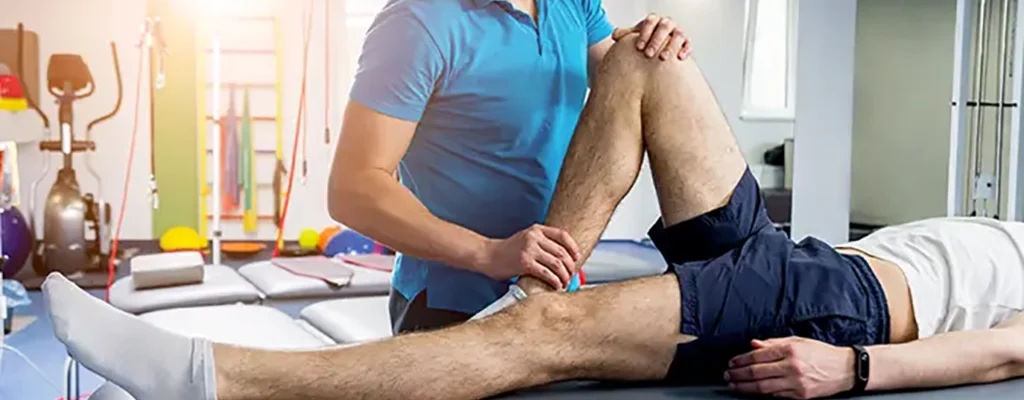
Physical therapy for knee pain involves a thorough assessment of your entire lower extremity, including your hip, knee, and foot. Our team will examine your knee for signs of misalignment or structural damage and assess your stance, gait, and functional movements like squats and steps. Your therapist will prescribe the right treatments — including exercises, manual therapy, and modalities — to help decrease your knee pain and improve overall mobility.
We will provide you with a supervised, progressive program to get you moving again. Our programs to reduce pain and restore function consist of range-of-motion, strength training, proprioception, and neuromuscular control activities.
Contact us today!
If you are living with knee pain, contact Innovative Physical Therapy Solutions today. We’ll help relieve your pain so you can get back to living your life comfortably, without limitations!

“I had a great experience.”
“I had a great experience. I was happy with the care I received from them and would definitely recommend them.” — Daniel J.
“I didn’t know how fixable my issues were and after treatment, I am back to normal.”
“Innovative PT was terrific. I didn’t know how fixable my issues were and after treatment, I am back to normal. I’d highly recommend them.” —Matt M.
“All of the staff and the therapist were so kind to me and my son and made sure I had exceptional care.”
“I had an amazing time here and I would highly recommend. All of the staff and the therapist were so kind to me and my son and made sure I had exceptional care. My son was such an entertainer and wouldn’t want to go back home. Loved it here. Thank you all!” —Bobyeg N.
Debunking the Myth That Running Causes Osteoarthritis

Osteoarthritis (OA) is a degenerative joint disease characterized by the breakdown of cartilage in the joints, leading to pain, stiffness, and impaired mobility. While there is a common misconception that running contributes to the development of OA, numerous studies have shown this to be a myth.
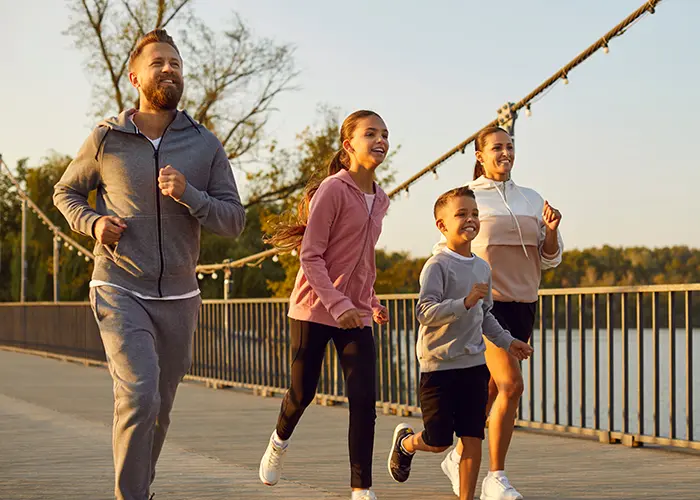
Running has various health benefits, including improved cardiovascular fitness and weight management, which support joint health. In addition, movement, including running, helps keep the cartilage in the knee healthy.
Research has highlighted other factors that are contributors to the development of knee OA:
- Age: Aging is the most significant risk factor for OA. As individuals age, the cartilage in their joints naturally undergoes wear and tear, making them more susceptible to degeneration.
- Genetics: Genetic factors play a crucial role in determining an individual’s susceptibility to OA. Certain genetic variations have been associated with an increased risk of developing OA in various joints, including the knee.
- Previous joint injuries: Previous knee injuries, such as ligament or meniscus tears, can predispose individuals to OA later in life. The trauma from these injuries can accelerate the degenerative process in the affected joint.
- Obesity: Excess body weight places additional stress on the knee joints, leading to accelerated cartilage breakdown and an increased risk of developing OA. Maintaining a healthy weight through regular exercise and a balanced diet can help reduce the risk of OA.
- Joint misalignment or instability: Abnormalities in joint structure or function, such as malalignment or instability, can lead to uneven distribution of forces within the knee joint, contributing to cartilage degeneration and OA development.
The bottom line is that running does not cause knee OA. At Innovative Physical Therapy Solutions, our therapists understand the risk factors associated with knee arthritis and will provide programs to preserve your joint health and reduce the burden of OA so you can keep running!
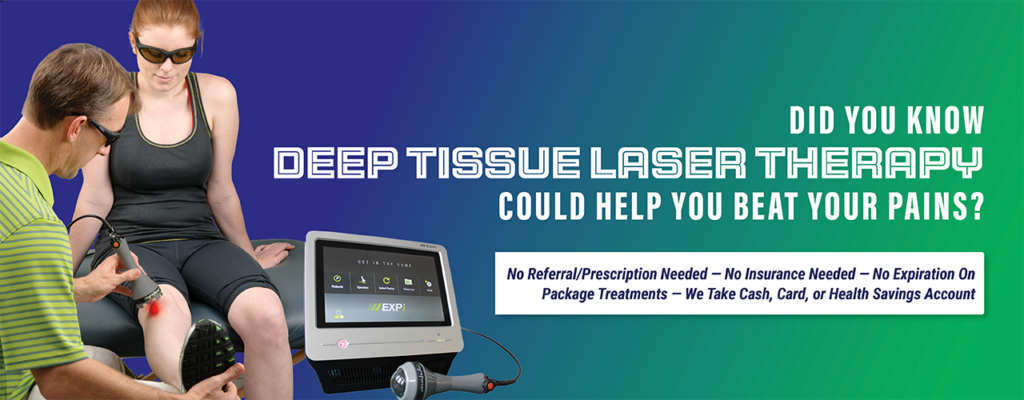
Laser therapy is a safe, effective, and non-invasive way to treat pain and aid in the recovery of many conditions. Contact Innovative Physical Therapy Solutions today! We’ll set up a free consult for you and figure out whether laser therapy could help in reducing your pain.
Exercise of the Month
Knee Extension AROM
Start by sitting up straight on the edge of a table with your legs hanging off. Slowly extend one knee all the way until your leg is straight without letting your back round. Then, allow your knee to bend back down. Repeat with your other leg. Continue alternating as directed by your physical therapist. Perform 3 sets of 10 reps.


Feel Better by Eating Better!
Oatmeal Pancakes With Cinnamon Apples
1 1⁄2 cups buttermilk
3⁄4 cup instant rolled oats
3⁄4 cup whole wheat flour
2 Tbsp milk
1 Tbsp melted butter
1 1⁄2 tsp baking powder
1⁄2 tsp baking soda
Pinch of cinnamon (plus 1⁄8 tsp for the apples)
Pinch of nutmeg
1 Granny Smith apple, peeled, cored, and chopped
1⁄2 cup apple juice
Butter or cooking spray
In a large bowl, mix the buttermilk, oats, flour, milk, butter, baking powder, baking soda, cinnamon, and nutmeg. Let it rest. In a small saucepan, simmer the apple, apple juice, and cinnamon until the apple softens and the liquid thickens. Preheat the oven to 200°F. Heat a skillet over medium heat and add butter or cooking spray before each round. Scoop 1⁄4-cup portions of batter, spreading into thin circles. Cook 2-3 minutes per side. Keep pancakes warm in the oven. Serve with warm apples.
Let’s Get You Better ASAP!
Don’t let pain dictate your life. Take the first step towards reclaiming your mobility and well-being with our expert support. Start your journey to a healthier you today.


Contact us today for your free consultation, or forward this newsletter to a friend in need. They will thank you for it.