



Is Your Sacroiliac Joint Causing Your Lower Back Pain?
One of the reasons back pain is such a common medical complaint (most people will experience it at least once in their lives) is because it has so many different potential causes. Most people are familiar with the common ones, like a strained back muscle or a herniated disc.
But sometimes, back pain isn’t really back pain–at least not how we generally conceive it. While you might experience pain or discomfort in your lower back, the actual source of the pain might be a little lower, in your sacroiliac joint.
At Innovative Physical Therapy Solutions, our team of physical therapists understands that the best way to resolve back pain is to determine where that pain is coming from. Thanks to our comprehensive assessments, we can help you determine if your lower back pain is actually a symptom of problems with your sacroiliac joint –and then provide you with a targeted treatment to help resolve it.
The Sacroiliac Joint: What It Is and What Can Go Wrong
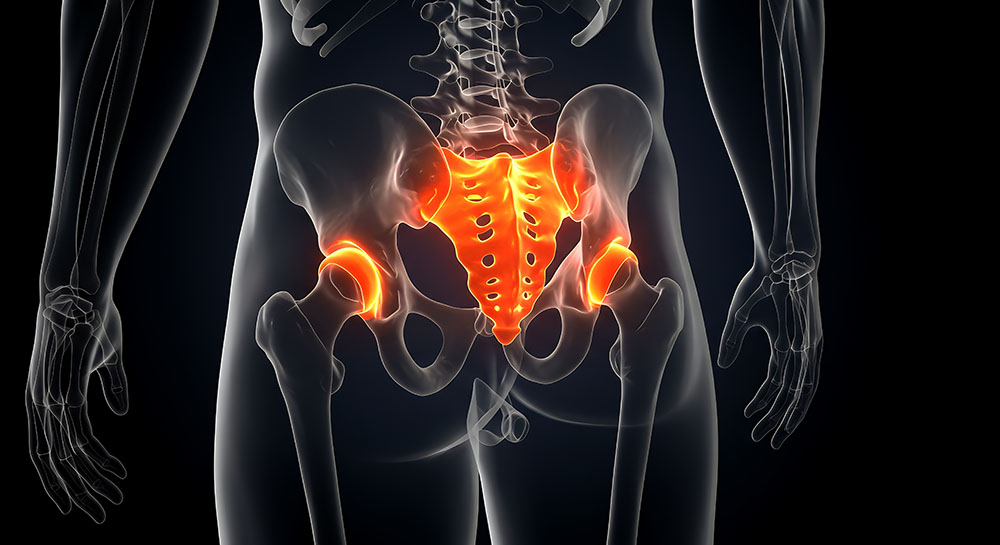
The sacroiliac (SI) joint connects your spine to your pelvis. You have two of them, one on each side. They’re connected to the sacrum, a small triangular bone at the base of your spine.
The SI joints allow you to transfer weight between your upper and lower body. However, the joints themselves don’t move all that much, and they’re located fairly deep in your pelvic structure, surrounded by strong ligaments and muscles.
There are two reasons why your sacroiliac joint might cause your pain:
- Sacroiliac joint dysfunction occurs due to biomechanical issues in your SI joint. It’s particularly common during pregnancy, as the sacroiliac joint is “loosened up” in preparation for childbirth (hypermobility). However, an overly restricted sacroiliac joint can also cause issues (hypomobility).
- Sacroiliitis refers to an SI joint inflammation due to osteoarthritis, hormonal changes during pregnancy, or injury.
Both conditions can cause similar symptoms. The biggest difference between the two is the presence of inflammation, as there are no inflammatory processes with SI joint dysfunction.
Issues with Your SI Joint? How to Tell
It can be difficult to determine if you’re struggling with SI joint issues or lower back pain, as they can cause similar symptoms. If you’re struggling with any pain or discomfort in your back or buttocks, your best bet is to schedule an appointment with our physical therapists. We can help you get to the bottom of things.
That said, here are some of the common signs of SI joint issues:
- You experience pain directly over your buttocks.
- The pain seems to stem from deep inside your body.
- You’ll notice pain when sitting, lying down, or climbing stairs. In fact, you may have trouble sitting for long periods due to the pain.
Treating SI Joint Pain: What To Expect
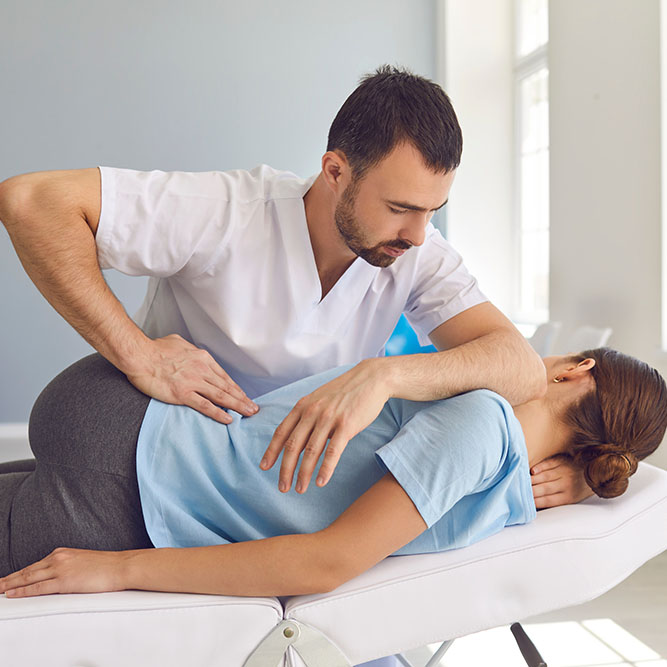
We’ll begin with a comprehensive physical exam to help us determine the exact source of your pain, including confirming if the SI joint is involved at all. Once we understand your unique situation, our experts will develop your customized treatment program. Here’s what you might expect:
- Pain Management: We’ll find a solution that suits your needs. Spinal mobilizations and other manual therapy techniques can help if your pain stems from immobility. Hot and cold therapy can help manage pain and inflammation.
- Mobility Exercises: If applicable, we can guide you through targeted exercises to improve the flexibility and mobility in your SI joint.
- Strengthening Exercises: One of the best ways to address SI pain is to strengthen your core and gluteus muscles, both of which support and stabilize the SI joint. Our therapists will develop an exercise program appropriate to your needs and ensure you perform all exercises correctly.
- Prevention Tips: Finally, we’ll work with you to help you adopt a physically active lifestyle, which can help reduce and prevent SI dysfunction.
What’s Causing Your Back Pain?
You don’t have to put up with persistent pain, whether it’s in your back, buttocks, or radiating down your leg! The physical therapists at Innovative Physical Therapy Solutions will dig down deep to determine the underlying source of your pain, no matter what it is.
Ready to get started? Call us to schedule an appointment today!
Pregnancy and Back Pain: A Quick Dive
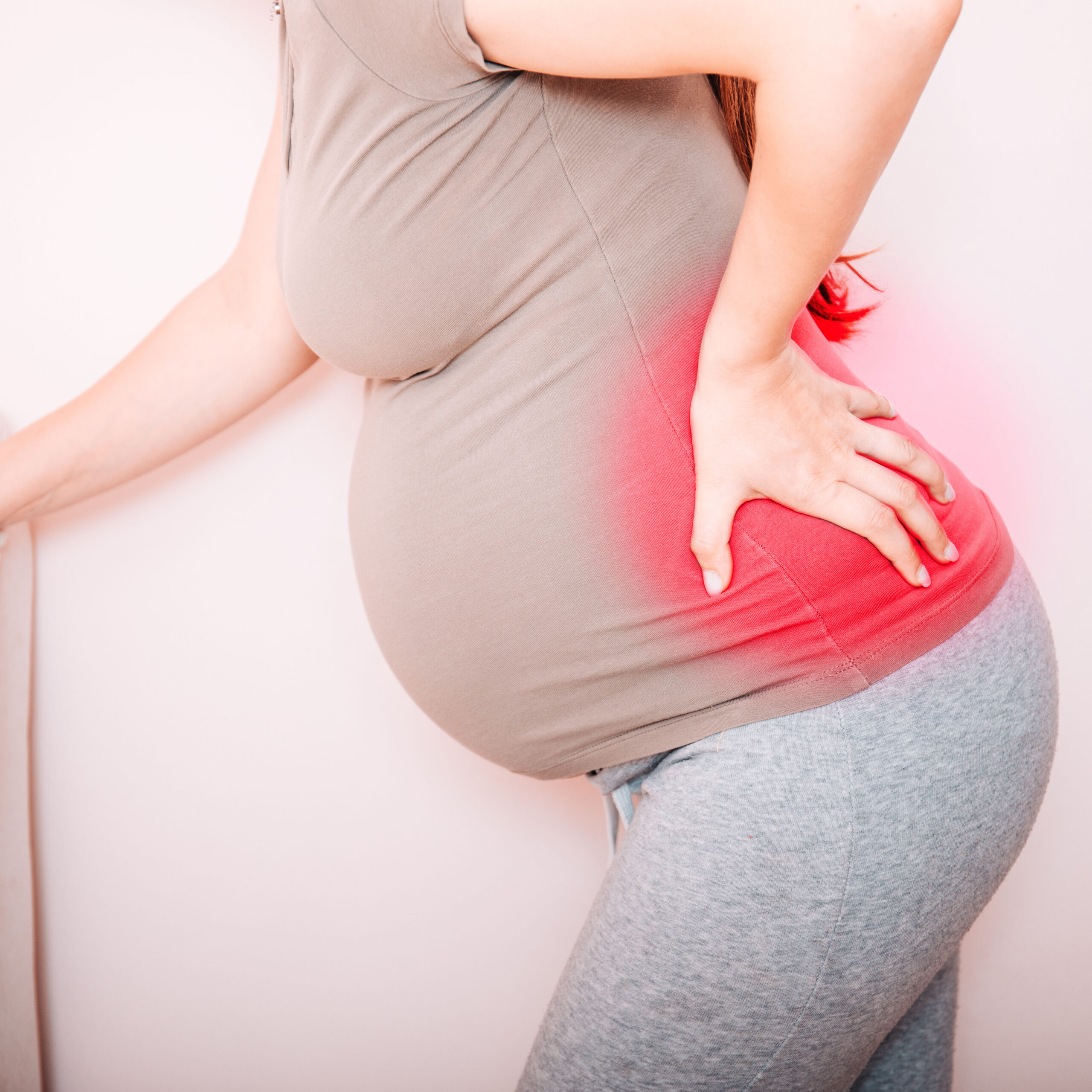
Did you know that one of the most common complaints during pregnancy is back pain, right alongside morning sickness and mood swings? Experts estimate that up to 70% of women will experience lower back pain during pregnancy!
Why is back pain so common? It has to do with the hormonal changes that occur during pregnancy. In preparation for childbirth, your body creates two hormones–progesterone and relaxin–that loosen the ligaments and joints in your pelvic area (including your sacroiliac joint). This hypermobility destabilizes your joints, causing aches and a higher risk of injury.
The other reason for increased back pain has to do with changes in your center of gravity. As your baby grows, your abdominals weaken and your lower spine pulls forward, which can strain your lower back muscles.
How Innovative Physical Therapy Solutions Can Help
If pregnancy is causing you pain in your lower back or causing your pelvic floor pain, call us to schedule an appointment. We can develop a drug-free pain management plan to see you through the end of your pregnancy. Depending on the underlying source of your pain, some of the techniques we might try include the following:
- Postural and biomechanical corrections
- Exercises, such as therapeutic Yoga
- Pelvic floor therapy
- Relaxation techniques
- Modification strategies like supported side-sleeping or using a lumbar roll while sitting
No matter the reason for your back pain, we’re here to help you find relief!

Quote of the Month
“Healing is a matter of time, but it is sometimes also a matter of opportunity.”
— Hippocrates

“This has been the best therapy I have had“
“I have been in physical many times since my back surgery in 200. This has been the best therapy I have had. The one on one is very important which most do not offer. The whole staff is very friendly and professional. And I received a tee shirt and a birthday card, how thoughtful!!!” — D.L.
“Definitely recommend this place to anyone who is looking for pelvic floor therapy, lower back, or any kind of physical therapy really!
“Thank you to everyone at Innovative for making this experience a positive one!! Thank you for being so accommodating and patient with me and my children!! Definitely recommend this place to anyone who is looking for pelvic floor therapy, lower back, or any kind of physical therapy really!” — C.G.

Innovative PT Solutions Now Provides At Home Physical Therapy with
Telehealth
Exercise of the Month
The Role of the Diaphragm in Core Stability
Seated diaphragmatic breathing for core stability
This exercise helps engage your core stabilizer muscles, including the transverse abdominis and pelvic floor, which work together with your diaphragm to manage intra-abdominal pressure.
- Sit upright in a chair with your feet flat on the floor, hip-width apart. Relax your shoulders, head, and neck.
- Place one hand on your upper chest and the other on your belly, just below your ribcage.
- Inhale slowly through your nose, expanding your stomach so the hand on your belly rises. Focus on filling your ribcage 360 degrees, feeling expansion in your front, sides, and back. The hand on your chest should remain as still as possible.
- Exhale slowly through pursed lips, as if blowing through a straw. As you exhale, your belly should move inward. The hand on your chest should stay still.
- Continue this slow, mindful breathing for 5–10 minutes. As you improve, you can begin to gently engage your core muscles on the exhale, imagining you are zipping a zipper up from your pubic bone to your sternum.
Supine diaphragmatic breathing for core stability
This position provides a stable foundation, making it easier to isolate the diaphragm and learn how to control your breathing without using your accessory muscles in the neck and chest.
- Lie on your back on a flat surface, such as a yoga mat, with your knees bent and feet flat on the floor. You can place a pillow under your head for comfort.
- Place one hand on your upper chest and the other on your belly, below your ribcage.
- Inhale slowly through your nose, allowing your lower belly to fill with air. The hand on your stomach should rise, while the hand on your chest remains still.
- As you inhale, imagine your torso is a balloon, expanding 360 degrees into your belly, sides, and lower back.
- Exhale slowly and completely through pursed lips. As you exhale, gently tighten your abdominal muscles to help your belly flatten.
- Repeat for several minutes, focusing on a slow, controlled breath

Jack-O’-Lantern Stuffed Peppers 🎃
An easy, warm dish with a Halloween look — great for cold fall nights.
Ingredients:
- 4 orange bell peppers
- 1 lb ground beef
- 1 cup cooked rice
- 1 can diced tomatoes (14 oz)
- 1 small onion, chopped
- 2 cloves garlic, minced
- 1 cup shredded cheese
- Salt, pepper, and favorite spices (chili powder, paprika, or thyme)
Instructions:
- Cut tops off peppers and scoop out seeds. Carve little jack-o’-lantern faces with a paring knife.
- Cook meat with onion and garlic until browned. Stir in tomatoes, rice, spices, and half the cheese.
- Stuff the mixture into peppers, place in a baking dish, and top with remaining cheese.
- Bake at 375°F for 25–30 minutes, until peppers are tender and cheese is melted.
Let’s Get You Better ASAP!
Don’t let pain dictate your life. Take the first step towards reclaiming your mobility and well-being with our expert support. Start your journey to a healthier you today.


Contact us today for your free consultation, or forward this newsletter to a friend in need. They will thank you for it.