


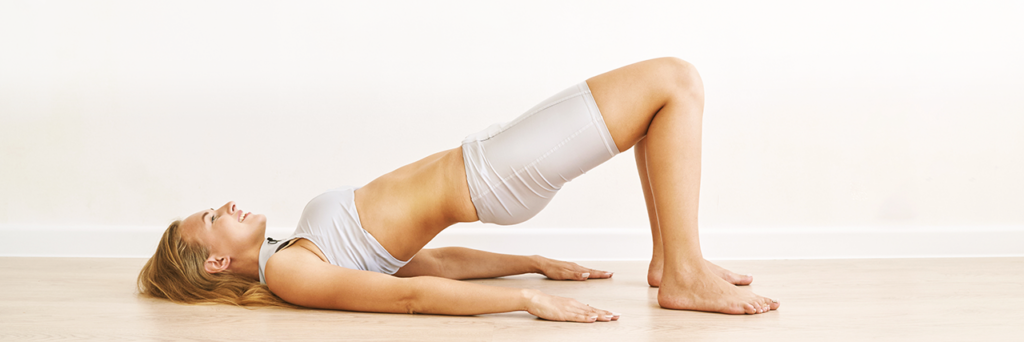
The Relationship Between Your Pelvic Floor and a Healthy Back
Most of us will experience back pain at some point in our lives. We might get a little too enthusiastic when moving furniture or develop muscular imbalances due to a sedentary job. But sometimes, back pain isn’t really back pain – rather, it’s rooted in dysfunction in your pelvic area.
Unfortunately, pelvic pain can be harder to discuss than back pain. It often stems from dysfunction with your pelvic floor, the band of muscles that support your bladder, bowels, and uterus. It can also indicate an issue with your SI joints.
Women are especially susceptible to pelvic pain, including pelvic-related back pain. Pregnancy and gynecological concerns (such as endometriosis) can dramatically impact the pelvic floor, which is why it’s important for women to consider their pelvic health if they’re experiencing issues with their back.
If you’re dealing with pain in your lower back or pelvic area – or both – call Innovative Physical Therapy Solutions to schedule an appointment. We’ll help determine the actual source of your pain so you can find lasting relief.
.
.
Understanding the Causes of Lower Back and Pelvic Pain
Lower back pain is widespread and has several potential causes, including herniated discs, sprains and strains, poor posture, and spinal arthritis – not to mention various contributing factors like poor posture or muscular weakness.
But if that pain spreads into your pelvic area, there may be something else going on. In fact, lower back pain without a clear underlying cause often stems from dysfunction in the pelvic area, such as the following:
- Impaired pelvic floor: Did you know that your pelvic floor muscles make up part of your core, which supports and stabilizes your spine? If your pelvic floor muscles are weakened or impaired, your back muscles have to do more work to compensate – setting you up for muscle strains or other injuries.
- SI joint dysfunction: The SI joint is the joint that links the spine to the pelvis, so it should not be surprising that if something’s wrong there, you may feel pain in both your lower back and your pelvic area. Arthritis, injury, and pregnancy can all cause issues in the sacroiliac joint.
- Pregnancy: Pregnancy itself is a common cause of pain throughout the lower back and pelvic area. There are two main reasons for this:
- Hormonal changes cause your ligaments to become looser in preparation for childbirth, which puts strain on your lower back and pelvis.
- Your center of gravity changes, and your growing baby can force your hips back at an awkward angle, leading to pain.
Helping You Find Relief, No Matter the Source
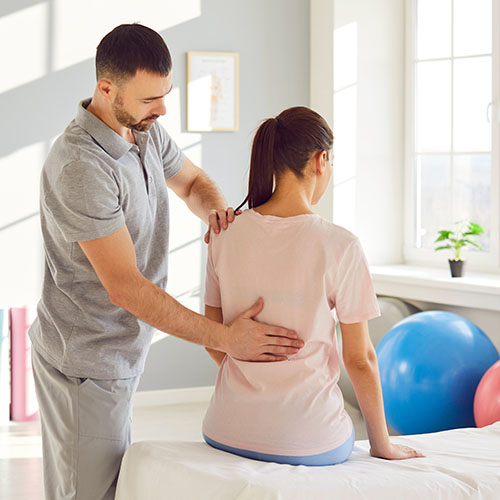
When it comes to pain in your lower back and pelvis, the first step our therapists take is to identify the source of your pain. That way, we can provide the customized treatment you need to resolve the pain at its root rather than merely treating symptoms.
We’ll begin with a comprehensive evaluation. Our therapists provide a welcoming, discreet space where you can freely share your symptoms – including pelvic-related symptoms that might feel embarrassing. Make sure you share…
- The exact location of your pain
- The pain’s sensations – is it burning? Dull? Aching?
- When do you feel pain? Is it persistent? Do you mostly notice it when you wake up?
- Any restrictions in range of motion you might be experiencing
- Any pelvic-related symptoms you might be experiencing, such as incontinence or sexual dysfunction
Once we’ve reviewed your symptoms and taken a full health history, we’ll conduct an in-depth physical evaluation, including running several movement screens. All this information helps us determine whether or not your pain is rooted in your lower back, pelvic area, or somewhere else – and that helps us develop your personalized treatment plan.
Targeted Treatments So You Can Find Relief
Our treatment plans will vary based on your exact needs. In general, though, we aim to help you with the following:
- Find immediate pain relief through manual therapy techniques or gentle stretches
- Improve mobility through targeted range of motion exercises
- Strengthen any weakened or impaired muscles, whether in your back, core, or pelvic floor
- Provide you with the tools you need to avoid future bouts of pain
Call Us Today To Get Started!
If you’re struggling with back issues or pelvic pain, the Innovative Physical Therapy Solutions therapists will help you get to the bottom of things. Call to make your appointment today!

Quote of the Month
“Wisdom comes with winters.”
— Oscar Wilde

“I have been to a handful of pelvic floor therapists and this is the first time I actually got help and it has helped me with my symptoms. ”
“I have been to a handful of pelvic floor therapists and this is the first time I actually got help and it has helped me with my symptoms. I highly recommend Dr. Ashley and her entire team.”
— Megan P.
“Pelvic floor therapy is needed and Ashley does a great job…”
“I enjoy coming to see Ashley. I recommend her to my unit members who have pregnant wives. Pelvic floor therapy is needed and Ashley does a great job at helping with getting back right, while also having fun conversation.”
— Bianca I.
“I came in with so much pain and now I’m leaving with almost no pain at all!”
“My experience here was amazing! I came in with so much pain and now I’m leaving with almost no pain at all! Lydia and Johnna are absolutely the best ever! They both always believed in my recovery. Everyone here is so friendly and welcoming! I felt so comfortable coming here at every appointment! I highly recommend!!!”
—Yahaira Z.

A Quick Introduction
to Pelvic Floor
Physical Therapy
When was the last time you thought about your pelvic floor? This sling of muscles isn’t visible, but it plays a significant role in our overall health and well-being:
• It makes up part of our core muscles, which help us move better and more effectively.
• It supports our pelvic organs — bowels, bladder, and, in women, genitals.
• If it’s impaired, you can suffer a range of symptoms, from pain to sexual dysfunction.
Pelvic floor physical therapy is a specialized form of physical therapy that focuses on matters of the pelvic floor. It uses the same principles as standard physical therapy, including identifying the source of your discomfort and providing you with a personalized treatment plan.
What Can I Expect From Pelvic Floor Physical Therapy?
- Help with pelvic-related conditions such as incontinence, pelvic pain, sexual dysfunction, or pelvic prolapse.
- A discreet space where you can freely share symptoms and work with a therapist specially trained in women’s health and/or pelvic floor issues.
- Guidance in identifying the deep muscles that might be causing you issues – such as your pelvic floor, deep abdominals, or diaphragm. These muscles are not visible, so working on them can be a challenge.
- Information about using these muscles correctly and targeted exercises to stretch and strengthen them.
- Simple pelvic floor exercise plans that you can do at home.
We offer pelvic floor physical therapy here at Innovative Physical Therapy Solutions. If you’d like to learn more about what it can do for you, call us today!
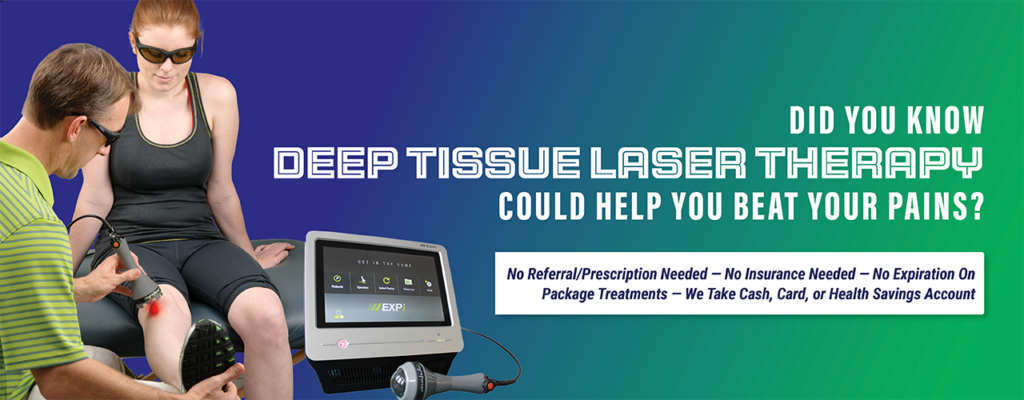
Laser therapy is a safe, effective, and non-invasive way to treat pain and aid in the recovery of many conditions. Contact Innovative Physical Therapy Solutions today! We’ll set up a free consult for you and figure out whether laser therapy could help in reducing your pain.
Innovative PT Solutions Now Provides At Home Physical Therapy with
TELEMEDICINE
Exercise of the Month
Clamshell Bridge (with Exercise Band)
Start by lying on your back with your knees bent, feet flat on the floor, and arms at your sides with palms down. Wrap a band around your legs just above your knees. Engaging the abdominals and squeezing the buttocks, slowly lift the hips towards the ceiling. While your hips are raised, spread your knees apart against the band and let them come back in slowly. Repeat for 3 sets of 10 reps each.



Feel Better by Eating Better!
Roasted Root Vegetables
- 12 oz rutabaga, peeled & cut into ¾-inch pieces
- 8 oz celery root, peeled & cut into 1-inch pieces
- 8 oz peeled baby carrots
- 8 oz fingerling potatoes
- 3 medium parsnips, peeled & cut into 1-inch-thick slices
- 1 medium fennel bulb, cored & cut into thin wedges
- 2 shallots, peeled & cut into thin wedges
- 2 tbsp olive oil
- ½ tsp salt
- ½ tsp ground pepper
Preheat oven to 325°F. Combine rutabaga, celery root, baby carrots, fingerling potatoes, parsnips, fennel, and shallots in a shallow roasting pan. Add oil, salt, and pepper; toss to coat. Bake, uncovered, for 1 hour, stirring occasionally. Increase oven temperature to 425°F. Bake, uncovered, about 10 minutes more or until the vegetables are tender and lightly browned.
Let’s Get You Better ASAP!
Don’t let pain dictate your life. Take the first step towards reclaiming your mobility and well-being with our expert support. Start your journey to a healthier you today.


Contact us today for your free consultation, or forward this newsletter to a friend in need. They will thank you for it.