



New Clinic Hours:
7:30 am – 4:30 pm
Monday – Friday
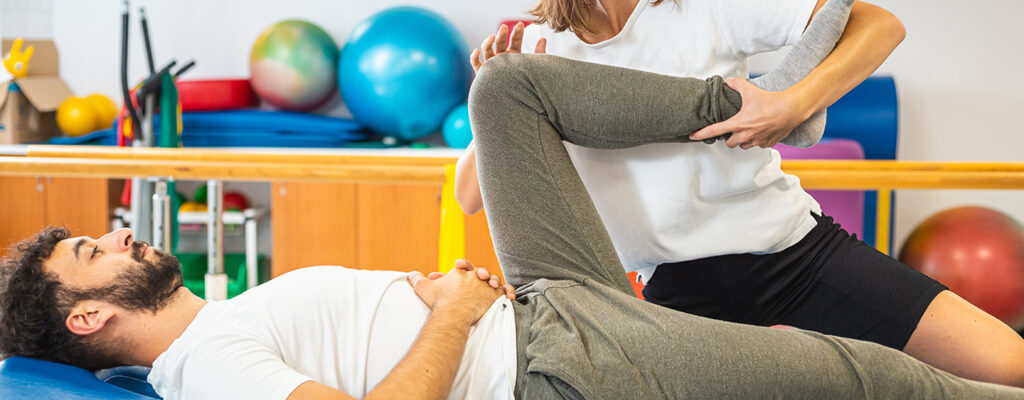


Common Sources of Hip Pain
And What We Can Do About Them
Have you noticed a persistent discomfort in your hip? Is impaired hip mobility making it difficult for you to handle day-to-day tasks? Hip pain isn’t something you have to live with. But to resolve your pain, you’ll need to identify why you’re experiencing pain in the first place.
At Innovative Physical Therapy, our team of musculoskeletal experts can help you determine the root cause of your hip pain. Whether it’s an underlying injury or a chronic condition like arthritis, we’ll get you the answers you need — and the relief you deserve!
Today, we want to explore some common causes of hip pain and give you some insight into how physical therapy can help. But if you’re currently dealing with hip pain, your best bet is to call us to schedule an initial consultation. We offer 1-1 consultations and highly individualized care to make sure you get the best results possible and feel supported throughout the process.
Why Do My Hips Hurt? Common Hip Injuries and Conditions
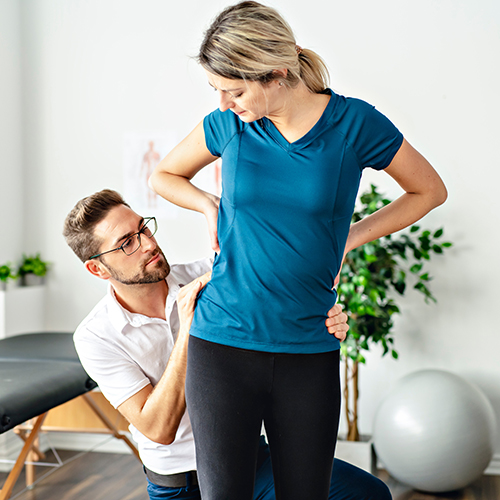
Osteoarthritis (OA)
If you’re an older adult, your hip pain might stem from osteoarthritis, which occurs when the cartilage in a joint starts to degenerate. The hips are one of the more common locations for OA. Symptoms include…
- Pain in the hip and/or groin
- Stiffness in the hip joint, especially after you haven’t moved it for a while
- A sense of weakness in your legs
Hip Impingement
Your hip is a ball-and-socket joint. When the ball part of the joint pinches up against the socket part, you can develop hip impingement. It’s most common in young, active people. Watch out for…
- Pain in the hip joint and discomfort elsewhere in the general area (groin, thighs, lower back)
- Sharp stabbing pain when using your hip (i.e., squatting, running, etc)
- Symptoms that gradually develop over time
Hip Labral Tear
Your labrum is a ring of cartilage that protects your hip socket. A labral tear occurs when that cartilage tears, often due to overuse or a hip impingement. Symptoms include…
- A persistent, dull ache that feels like it comes from deep inside your hip
- Sharp, stabbing pains when using your hip
- Clicking or popping sounds when using your hip
- A feeling of instability in the hip
Hip Strain
A hip strain occurs when the muscles or tendons that support your hip joint become damaged. Your exact symptoms will vary somewhat based on the severity of the strain, but in general, you can expect…
- Pain, especially when using the affected muscle
- Swelling
- Limited range of motion
- Muscle weakness
Hip sprains can also occur, but they tend to be rare. A sprain affects the ligaments in your hip (the tissue that connects the joint). Symptoms are similar to a strain, but you might also experience a sense of the joint buckling under your weight.
What We Can Do to Address Your Hip Pain
Of course, identifying the cause of your hip pain is only the first step in addressing it. Once we know why you’re experiencing pain, we can develop a personalized treatment plan for your needs.
If you’ve suffered a hip injury
If you’ve suffered a hip injury, we’ll guide you through rehabilitation. Sometimes, physical therapy alone is enough to resolve the injury; other times, you may need medical intervention. Either way, here’s what you can expect:
- Drug-free pain management techniques (such as manual therapy)
- Early mobility work to help improve your range of motion
- Exercises to restore strength and stability
- Targeted balance and gait training
- Activity-specific training (especially if you’re an athlete)
If you’ve developed osteoarthritis
If you’ve developed osteoarthritis, we can help you manage your symptoms and delay the progression of your condition. OA doesn’t have a cure, but physical therapy is considered a frontline treatment to help you avoid a total hip replacement. Your treatment plan may include…
- Manual therapy to help reduce pain and improve mobility
- A personalized exercise program to help you stay active (regular exercise is one of the best ways to manage osteoarthritis)
- Balance and gait training to help reduce your fall risk
- Activity modifications and other strategies to help you manage discomfort throughout the day
Contact us today to get started.
No matter the reason for your hip pain, Innovative Physical Therapy will find a solution that works for you. Call us today to schedule an appointment to get started on your journey to hip pain relief!


“I had a great experience with the Deep Tissue Laser Therapy!”
“I had a great experience with the Deep Tissue Laser Therapy! I came in with neck pain and stiffness, and after four sessions, I felt notably better with improved mobility. Working with Michael was a pleasure. He had great experience and knowledge with the equipment, and he made the whole recovery process a positive experience. I highly recommend it!” — Jordan B.
“Such a welcoming atmosphere…”
“Such a welcoming atmosphere and Ashley was very informative and gentle. I learned a lot and will take the tools I acquired and share them with others as well as continue on my journey! Thank you!” — Diana S.
“I was on the mend after my first session and fully healed within a few months. ”
“What a great service this is. I had suffered for almost a year with pain in my right leg after a fall. I tried physical therapy, an MRI, a nerve conduction test, chiropractic therapy, and a tens unit. Nothing helped. I heard about laser therapy from a family friend. What a difference! I was on the mend after my first session and fully healed within a few months (2 sessions per week). I now go for maintenance every 2 weeks and I couldn’t be happier and healthier. I was very discouraged as I thought I was going to have to live with it due to my age (60). Pain meds and nerve block were offered as last resort options, but I was not interested as I wanted very much to be better not mask the pain. Mike is a true professional and treats his clients with kindness and care. The gals in the office are equally kind, friendly, and helpful. I’m back in the gym and just can’t believe the difference this therapy made for me. Give it a try and see. Great for extremities, neck, hip, and back pain.” — Elizabeth O.


Don’t Ignore Your Joint Pain!
You notice a faint twinge in your hip whenever you squat down. It’s not severe, and it goes away once you stand back up. No big deal, right?
But then you start to notice the pain more frequently, like when you go for a run or work in your garden. It’s also started to get worse. Suddenly, you’re not so sure you can just ignore it. This scenario probably sounds familiar. Most of us have ignored pain at some point in our lives. And sometimes, the pain does go away on its own. But there are circumstances when you shouldn’t ignore joint pain. In those situations, schedule an appointment at Innovative Physical Therapy.
When Joint Pain Requires Action
Here’s a handy checklist to let you know when you should visit our physical therapists to get your pain checked out:
- Your pain results from an obvious injury
- Your pain is severe enough to affect your day-to-day life
- Your pain is accompanied by mobility restrictions in the joint
- Your pain is constant (24/7) and doesn’t subside after a few days
- You’ve been dealing with persistent pain for months
- You notice swelling in the joint
- Your pain is progressively worsening
Remember, joint pain is your body’s way of telling you something’s wrong — it’s not something you have to live with, even if you’re older. A consultation at Innovative Physical Therapy can get to the bottom of things and help you find relief.
Exercise of the Month
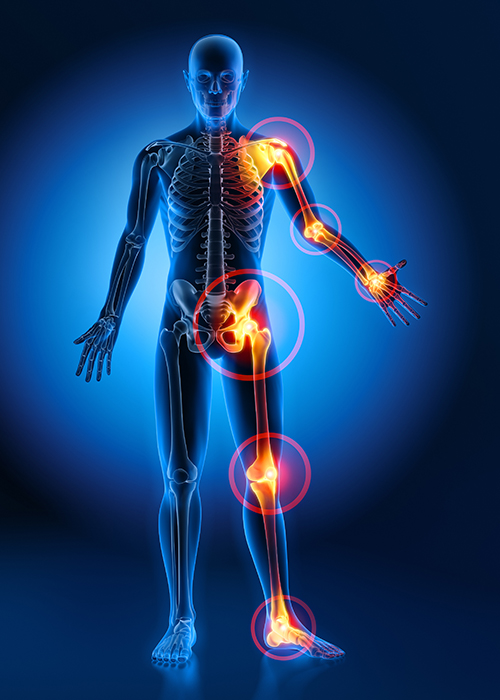
Straight Leg Raise Isometric Hold (45-Degrees)
Start by lying on your back with your arms by your sides, your working leg straight, and your non-working leg bent with your foot flat on the floor. Brace your abdominals and raise your working leg up until it is at a 45-degree angle with the floor. Make sure to keep your leg fully extended. Hold as directed. Lower your leg. Hold for 5 seconds. 3 sets, 5 reps.

FOR MORE EXERCISES, CHECK Out Our Videos Page!

Fresh Corn Cakes with
Summer Salsa
This speedy vegetarian entrée is absolutely bursting with peak-season produce. We suggest serving the cakes with an herby white bean and arugula salad.
Combine flour, cornmeal, baking powder, 1/2 teaspoon salt, and 1/4 teaspoon pepper in a large bowl. Combine sour cream, eggs, and 1 tablespoon oil in a bowl, stirring until smooth. Add sour cream mixture, corn, and jalapeño to flour mixture; stir just until combined. Heat a large nonstick griddle over medium-high heat. Divide corn mixture into 8 equal portions (about 1/3 cup each); shape into patties. Add patties to griddle; cook 6 minutes on each side. Combine squash, green onions, basil, vinegar, tomato, remaining 1 tablespoon oil, remaining 1/4 teaspoon salt, and remaining 1/4 teaspoon pepper in a bowl; toss. Place 2 corn cakes on each of 4 plates; top evenly with salsa.
- ¾ cup white whole-wheat flour
- ½ cup plain yellow cornmeal
- 2 tsp baking powder
- ¾ tsp kosher salt
- ½ tsp black pepper
- 1 cup light sour cream
- 2 large eggs
- 2 tbsp olive oil
- 1 ¼ cups fresh corn kernels
- 2 tbsp minced jalapeño
- ½ cup diced yellow squash
- ¼ cup chopped green onions
- ¼ cup chopped basil
- 1 ½ tsp white wine vinegar
- 1 medium tomato, chopped

Contact us today for your free consultation, or forward this newsletter to a friend in need. They will thank you for it.